Understanding current healthy eating market trends and their impact on consumer choices
The healthy eating market is a dynamic sector, continually shaped by shifting consumer priorities, scientific advancements, and global awareness. What constitutes “healthy” is perpetually re-evaluated, leading to fascinating new trends that influence product development, retail strategies, and individual dietary choices. Understanding these macro-level changes is crucial for anyone interested in public health or personal wellness.
One significant driver of change is the increasing demand for plant-based foods. This trend extends beyond vegetarianism and veganism, encompassing a broader movement where consumers actively seek to reduce their meat intake for health, environmental, and ethical reasons. From plant-based burgers and milk alternatives to innovative vegetable-centric dishes, the market is overflowing with options. This shift is not merely about exclusion but about embracing a wider variety of nutrient-dense plant foods, which often correlates with understanding balanced nutrition and improved long-term health outcomes. The growth in this segment has been exponential, with continuous innovation in ingredients and food technologies aimed at replicating the taste and texture of animal products.
Sustainability is another powerful trend reshaping how people think about food. Consumers are increasingly conscious of the environmental footprint of their diets, leading to greater interest in locally sourced ingredients, reduced food waste, and eco-friendly packaging. This involves scrutinizing supply chains, opting for seasonal produce, and supporting agricultural practices that minimize environmental harm. The desire to make responsible choices also influences the perception of what is healthy, as ecological well-being is often linked to personal well-being. This trend encourages a holistic view of food, where its origin and impact are as important as its nutritional content. Exploring strategies for sustainable eating habits can provide further insights into making conscious food choices.
Functional foods, designed to provide health benefits beyond basic nutrition, are also gaining traction. This category includes everything from fortified yogurts with probiotics to beverages infused with adaptogens and omega-3 enriched eggs. Consumers are looking for foods that can actively support specific health goals, whether it’s boosting immunity, improving gut health, or enhancing cognitive function. This move signifies a proactive approach to health, where diet is seen as a powerful tool for disease prevention and performance optimization. The science behind these claims is constantly evolving, with regulatory bodies like the FDA providing guidance on food labeling to ensure consumers receive accurate information.
Convenience remains a perennial factor, but its definition is evolving. Healthy eating no longer implies extensive meal preparation. The market is responding with a surge in healthy meal kits, pre-prepared nutritious meals, and grab-and-go options that don’t compromise on quality or nutritional value. Technology plays a significant role here, with meal delivery services and apps making it easier than ever to access healthy food options. This trend acknowledges the busy modern lifestyle and aims to remove barriers to healthy eating, making it accessible even for those with limited time. This convenience also supports effective weight management techniques by making healthy choices readily available.
The global health landscape, as monitored by organizations such as the World Health Organization, regularly highlights the importance of healthy diets in addressing non-communicable diseases. These reports often underscore the need for increased consumption of fruits, vegetables, whole grains, and lean proteins, which aligns with many of the consumer trends observed in the healthy eating market. As knowledge about nutrition becomes more widespread, consumers are empowered to make informed decisions that align with broader public health recommendations. This synergistic relationship between public health messaging and consumer demand continues to drive innovation and transformation within the food industry.
Mediterranean Quinoa Salad with Lemon Herb Dressing
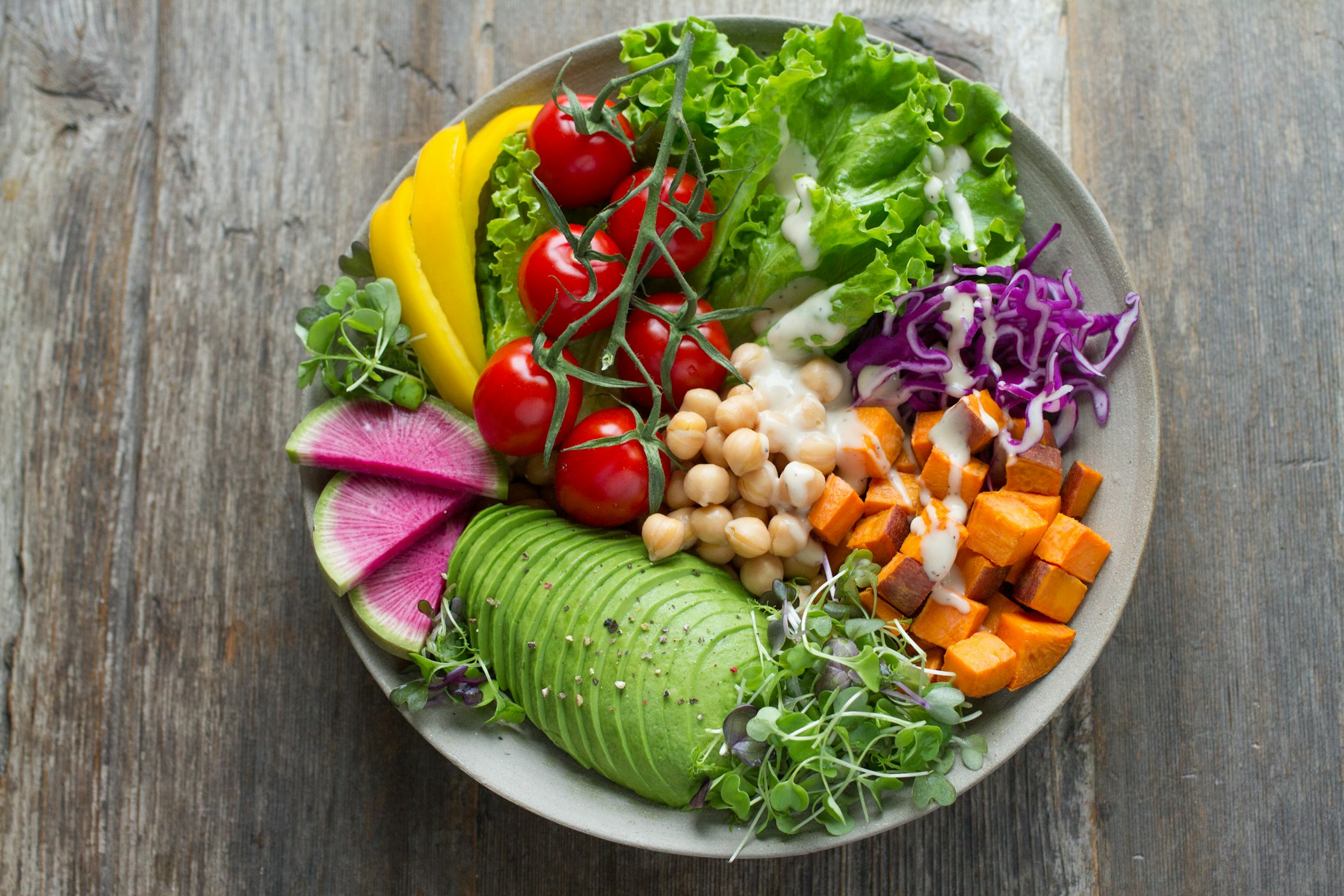
Embracing the trends of plant-forward eating and nutritious convenience, this Mediterranean Quinoa Salad is a vibrant and healthy meal. It’s packed with protein, fiber, and fresh vegetables, making it perfect for a light lunch, a side dish, or a fulfilling dinner. The zesty lemon herb dressing ties all the flavors together beautifully. This recipe is an excellent example of how simple ingredients can create a delicious and satisfying meal that aligns with modern healthy eating principles. It’s also great for meal prepping, allowing you to enjoy healthy food throughout the week with minimal effort, perfectly fitting into the category of exploring plant-based meal ideas that are both nutritious and convenient.
Ingredients
For the Salad:
- 1 cup quinoa, rinsed
- 2 cups vegetable broth or water
- 1 English cucumber, diced
- 1 pint cherry tomatoes, halved
- 1 red bell pepper, diced
- 1/2 red onion, finely chopped
- 1 (15-ounce) can chickpeas, rinsed and drained
- 1/2 cup pitted Kalamata olives, halved
- 1/2 cup crumbled feta cheese (optional, omit for vegan)
- 1/4 cup fresh parsley, chopped
- 1/4 cup fresh mint, chopped
For the Lemon Herb Dressing:
- 1/4 cup extra virgin olive oil
- 3 tablespoons fresh lemon juice
- 1 clove garlic, minced
- 1 teaspoon dried oregano
- 1/2 teaspoon salt
- 1/4 teaspoon black pepper
Step-by-Step Instructions
- Cook the Quinoa: Combine the rinsed quinoa and vegetable broth (or water) in a medium saucepan. Bring to a boil, then reduce heat to low, cover, and simmer for 15 minutes, or until all liquid is absorbed. Remove from heat and let stand, covered, for 5 minutes. Fluff with a fork and spread it out on a baking sheet to cool completely.
- Prepare the Vegetables: While the quinoa cools, dice the cucumber, halve the cherry tomatoes, dice the red bell pepper, and finely chop the red onion. Rinse and drain the chickpeas and halve the Kalamata olives. Chop the fresh parsley and mint.
- Make the Dressing: In a small bowl, whisk together the extra virgin olive oil, fresh lemon juice, minced garlic, dried oregano, salt, and black pepper until well combined. Taste and adjust seasonings as needed.
- Assemble the Salad: In a large mixing bowl, combine the cooled quinoa, diced cucumber, halved cherry tomatoes, diced red bell pepper, chopped red onion, chickpeas, Kalamata olives, fresh parsley, and fresh mint. If using, add the crumbled feta cheese.
- Dress and Serve: Pour the lemon herb dressing over the salad ingredients. Toss gently to ensure everything is evenly coated. Serve immediately, or refrigerate for at least 30 minutes to allow the flavors to meld. This salad can be stored in an airtight container in the refrigerator for up to 3-4 days.
Sources & References
This content is for informational purposes only and does not constitute medical advice. Please consult with a healthcare professional before making significant diet changes.